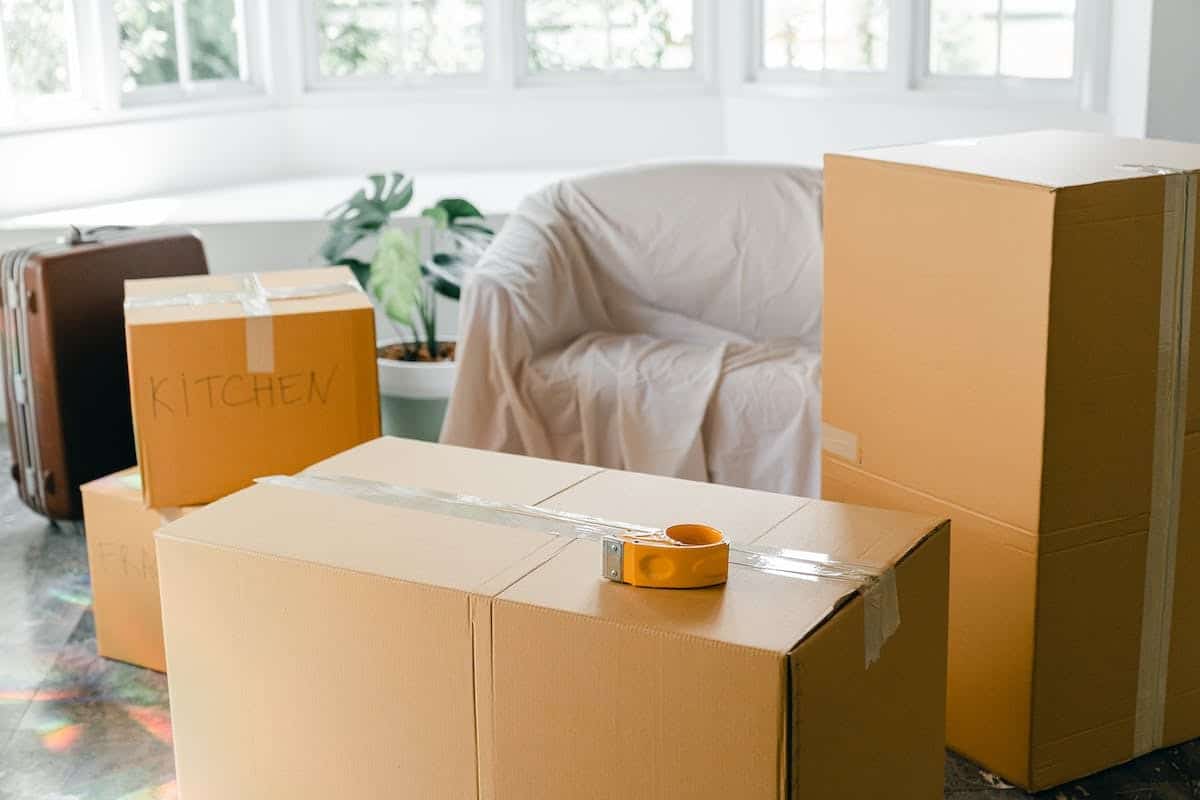
In the face of the climate emergency, innovation does not stop. The latest development may seem unusual, but it is indeed real: cardboard houses. These homes, designed from recycled and recyclable materials, are set to become a sustainable alternative to traditional constructions. Lightweight, durable, modular, and above all environmentally friendly, they offer numerous advantages. Their production requires significantly less energy, thereby reducing the carbon footprint of those who choose this type of housing. A solution that could well foreshadow the future of ecologically responsible living.
The Story of the Cardboard House: A Revolutionary Construction
The origins of the cardboard house are fascinating and reflect the constant evolution of our approach to housing. The first experiments with the material date back to the 1960s, when architects saw in it an opportunity to create lightweight, modular, and eco-friendly structures. This innovative idea paved the way for what is now considered a true revolution in the construction industry.
Now, let’s take a closer look at the specific advantages these houses offer. Indeed, the advantages of the cardboard house are numerous and varied.
From an environmental perspective first: building with cardboard allows for a significant reduction in our carbon footprint compared to traditional materials such as concrete or steel. The production process requires less energy, while its ability to be recycled drastically limits the waste generated.
The second major advantage is economic: not only is the initial cost of the material low, making the real estate project more affordable, but its lightweight nature also significantly reduces transportation and on-site installation costs.
Modularity is also an undeniable appeal of these homes and is precisely part of the advantages of the cardboard house. This means it can easily be expanded or reduced without major renovations or unnecessary expenses.
Technically, cardboard houses are made from multi-layer composite panels of recycled kraft glued together with environmentally friendly adhesive. This ensures unparalleled strength while maintaining the material’s lightness.
Constant technological advancements allow for further improvements in the strength, insulation, and durability of these houses. For example, there are sandwich panels with an insulating layer between two stacked layers of cardboard, providing better thermal and acoustic insulation.
Given all these advantages of the cardboard house, it is clear that this innovative solution has a bright future ahead in the field of sustainable housing. With a growing environmental awareness within society, this type of habitat should attract an ever-increasing number of people looking to combine modern comfort with ecology.
The Benefits of Cardboard: An Ecological and Economic Alternative
Cardboard construction has many advantages that contribute to its growing popularity. The lightweight nature of the material greatly facilitates the assembly and transport of the house components. This significantly reduces labor and material costs required for the construction site.
Cardboard is a durable and eco-friendly material. It can be made from recycled fibers or sourced from sustainable origins, further reducing its carbon footprint. Cardboard houses can be dismantled and recycled at the end of their life cycle, minimizing waste.
Another major advantage is the thermal insulation provided by cardboard. Thanks to the natural properties of the material, it offers excellent insulation both in summer and winter. This allows residents of cardboard houses to achieve significant savings on their energy bills while maintaining a high level of indoor comfort.
The Environmental Footprint of the Cardboard House: A Responsible Choice
The ecological impact of the cardboard house is undeniably positive. Indeed, this sustainable and recyclable material significantly reduces the carbon footprint of building a home.
The manufacturing process of cardboard requires much less energy than that of traditional materials such as concrete or steel. It should be noted that cardboard is primarily made from natural fibers from trees. These are a renewable resource if harvested responsibly.
By opting for a cardboard house, one contributes to the preservation of forests while decreasing energy consumption. This innovative solution also promotes waste reduction since cardboard houses are fully recyclable at the end of their lifespan.
It is worth noting the warmth inside the building. There is less need to use an excessive heating system to maintain a pleasant temperature in the home.
Beyond the direct environmental benefits related to the material itself, the overall improvement in energy efficiency offered by a cardboard house must be considered. Its lightweight design greatly facilitates its transport and installation on-site, thereby reducing greenhouse gas emissions related to transportation and construction work.
The cardboard house represents an innovative and ecological solution for those looking to reduce their carbon footprint. This durable, recyclable, and insulating material offers numerous advantages from both an environmental perspective and thermal comfort in a home. With customizable designs and a positive impact on the global forest ecosystem, we must adopt more sustainable lifestyles.
New Developments and Advances in Cardboard Construction: Towards a Promising Future
Cardboard construction continues to evolve and reinvent itself to meet current needs. The innovations in this field are numerous and aim to improve both the strength and aesthetics of cardboard houses.
Manufacturers have developed advanced techniques to enhance the material’s strength. Additional layers of paper or plant fibers can be added to increase the structural integrity of the house. Some processes use special additives that allow cardboard to better withstand moisture and weather conditions.
Modular designs are also very popular in the field of cardboard construction.
Future Prospects for Cardboard Houses: Towards a Revolution in the Real Estate Sector
The future prospects for the cardboard house are promising. This innovative solution greatly contributes to the reduction of the carbon footprint. Indeed, cardboard is an ecological material par excellence, derived from renewable resources and fully recyclable. Its use therefore helps limit greenhouse gas emissions and thus contributes to the fight against climate change.
The cardboard house offers great architectural flexibility. Thanks to the technical advancements mentioned earlier, it is possible to envision complex and sophisticated constructions. Designers can unleash their creativity and design houses with innovative designs while adhering to key structural criteria.
In a world where space is becoming a rare commodity, the lightweight nature of the material used for these homes also facilitates their transport and assembly. They can be quickly assembled on-site or relocated if necessary.
It is important to emphasize that cardboard houses present a genuine economic interest. The construction cost is often lower than that of traditional buildings, primarily due to the low price of the material used.