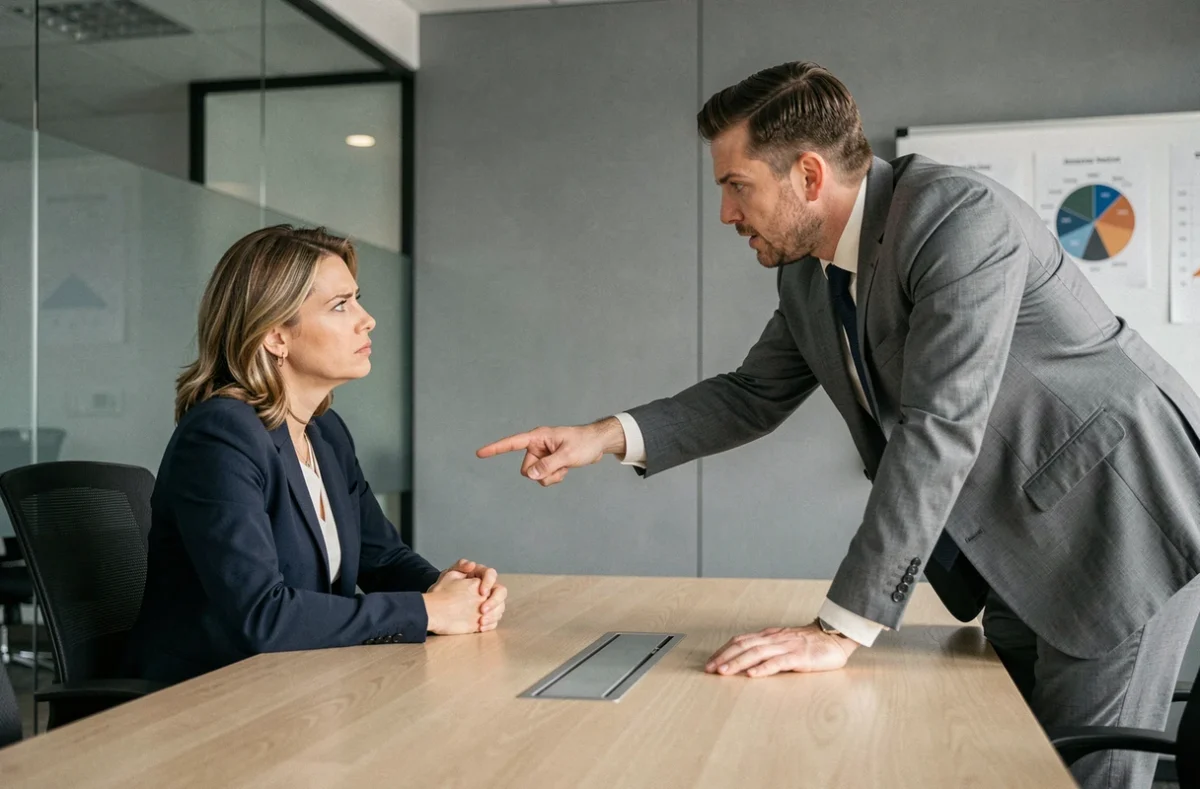
A colleague who systematically interrupts during meetings. A manager who sends cutting messages at 10 PM on the team messaging platform. An inappropriate remark slipped in with a falsely humorous tone. These situations are not merely misunderstandings: they indicate a disrespectful behavior at work that gradually takes hold when no clear response is provided.
Disrespectful behavior at work: what labor law really covers
Before discussing management or communication, a framework must be established. The French Labor Code imposes a duty of care towards each employee, including protection against psychosocial risks. Moral harassment, defined as repeated actions that lead to a deterioration of working conditions, is the most well-known offense.
The difficulty lies in the gray area between occasional incivility and characterized harassment. An employee who rolls their eyes every time a colleague speaks does not commit an isolated disciplinary offense. Repeated over several weeks, this same gesture can contribute to a documentable hostile climate.
You can find articles on Opus Media to delve deeper into the distinction between incivility, disrespect, and harassment in a French professional context.
ILO Convention 190, ratified by an increasing number of countries, further expands the scope. It covers not only physical violence but also repeated threatening behaviors, including through digital means. In other words, an intimidating message sent via a collaborative tool falls within the realm of prevention.

Disrespect through screens: when digital incivilities settle in collaborative tools
Professional exchanges now largely take place through digital tools, and incivilities are moving there as well. The European ESENER 2024 survey shows that discussions about the effects of digitalization on health and safety at work are becoming more frequent in European companies.
At the same time, the participation of HR functions in measures against psychosocial risks is declining. This gap creates a blind spot: digital incivilities are progressing without internal mechanisms keeping pace.
Have you ever received a professional message written entirely in capital letters, followed by an exclamation point? Or a passive-aggressive comment in a discussion thread shared with the entire team? These digital micro-aggressions are harder for a manager to identify than a raised voice in an open space.
Concrete signals to watch for on collaborative tools
- Systematically dry or monosyllabic responses directed always at the same person, creating visible isolation from the rest of the team.
- Repeated exclusion of a colleague from certain discussion channels or video conference meetings, without project-related justification.
- Sharing screenshots of private conversations publicly to ridicule or destabilize an employee.
- Regularly sending messages outside of working hours with an implicit expectation of immediate response, generating chronic stress.
These behaviors leave written traces. This is both an advantage (proof exists) and a trap (no one thinks to keep it at the moment).
Reporting and follow-up: why declaring is not enough
Establishing a reporting mechanism is a first step. Many companies stop there, thinking that the procedure protects the organization. At Orange, the CFE-CGC union highlighted the limitations of this approach: the company recorded a high volume of incidents of external violence, but the union pointed out the lack of analysis of the organizational causes behind these reports.
The observation is clear: reporting an incident without analyzing its organizational causes does not prevent its recurrence. In other words, the reporting form does not replace the investigation into what in the organization of work allowed or favored the behavior.
What post-reporting follow-up should include
After each report, three questions deserve a documented response. What organizational factor contributed to the situation (workload, absent management, lack of clear rules on communication)? What corrective measures were taken, and within what timeframe? Did the concerned employee receive concrete support, not just an acknowledgment of receipt?
Without this follow-up, the reporting mechanism becomes an administrative tool without preventive effect. Employees eventually stop reporting, convinced that nothing will change.
Reacting to a disrespectful colleague: method in real situations
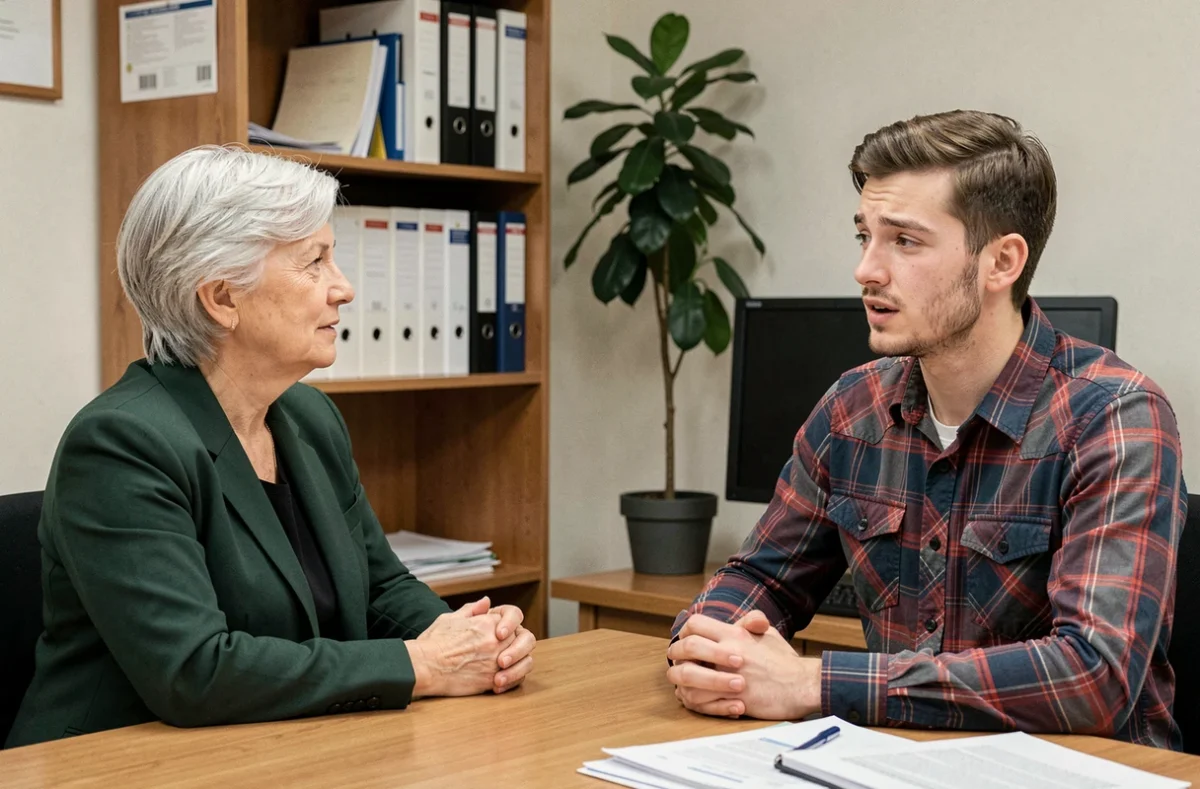
The theory of non-violent communication circulates widely. In practice, faced with a hurtful remark in a meeting, few employees think to reformulate their emotions in four steps. A more realistic approach relies on two simple reflexes.
The first: name the behavior, not the person. Saying “that remark is inappropriate” rather than “you are disrespectful” diffuses the tension. The second: postpone the discussion if the emotion is too intense. “I prefer we talk about this in an hour” is not avoidance, it’s a tactical decision.
These two reflexes work because they break the action-reaction cycle. An aggressive behavior often seeks a symmetrical response. Refusing this symmetry alters the dynamic of the exchange.
When the problem exceeds the individual
If the same type of disrespect recurs regularly within a team, the issue is probably not a matter of personality. A degraded work climate, collective stress related to workload, or management that tolerates disrespect through passivity produce the same effects. Addressing the behavior without examining the environment is akin to treating a symptom.
The ESENER 2024 survey confirms this perspective: companies that integrate the prevention of psychosocial risks into their overall strategy, and not just as a response to an incident, achieve better results on social climate.
Managing disrespectful behavior at work is not a comfort issue. It is a direct lever on team health, employee retention, and the quality of work produced. Tools exist, from the legal framework to communication techniques. The challenge remains to tackle the organizational factors that fuel these behaviors and to maintain the effort beyond the first report.