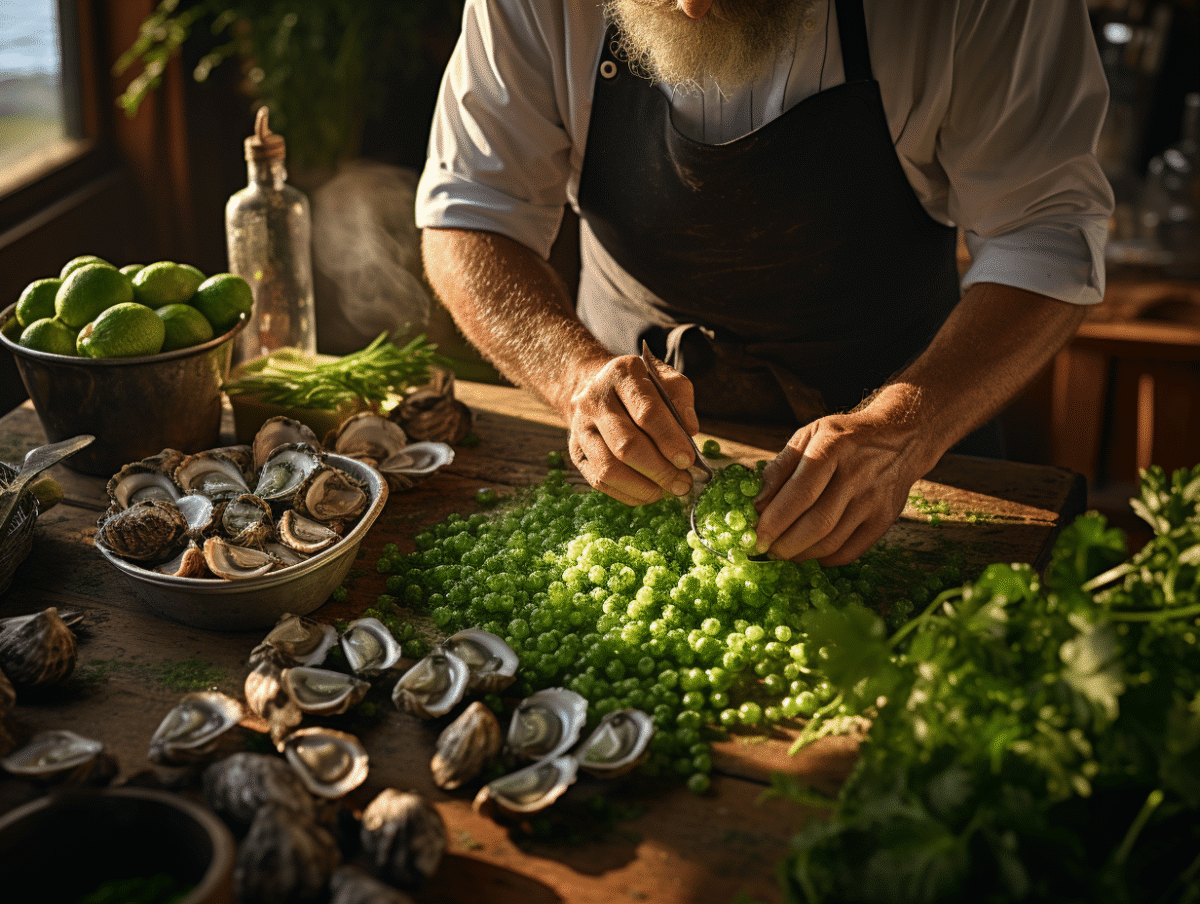
When it comes to the pleasures of the table, seafood holds a special place for many gourmets. However, their preparation and tasting come with specificities that can be intimidating. Mastering the cooking of shellfish, knowing how to open shellfish without altering their flavor, or composing a balanced platter requires precise know-how. Similarly, one must be aware of the mistakes to avoid, such as overcooking or improper seasoning, which can turn a seafood feast into a culinary disappointment. Sharing tips to tame these aquatic delights becomes essential for seafood lovers.
The keys to selecting fresh and quality seafood
Finding quality seafood starts with careful selection. Check that the mussels are open before cooking; this means they are still alive. For shellfish, the shine of the shell and liveliness are reliable indicators of freshness. Shellfish, on the other hand, should be heavy and tightly closed. At the stalls, prioritize proximity to fishing areas and seasonality, which ensure superior quality and minimize risks related to prolonged storage.
Be attentive to signs of freshness and the marine smell, subtle and not ammonia-like. A good fishmonger will always be able to advise you and provide valuable information about the origin and the optimal season for consuming each species. Traceability is essential to avoid any risk to your health, particularly that of food poisoning.
Some platforms like Place du Marché can offer an alternative for purchasing frozen seafood. Freshness remains the guarantee of an unparalleled tasting experience, so prioritize products that have been quickly frozen after capture. Consuming seafood should be synonymous with pleasure and safety; therefore, a rigorous selection is fundamental to enjoy these marine treasures with peace of mind.
Preparation and cooking techniques: tips and pitfalls to avoid
Proper thawing of frozen seafood is an essential prerequisite. Professionals like Dave Vitré, elected reference fishmonger of the CNC and general secretary of the France Écaille fishmongers’ union, recommend slow thawing in the refrigerator to preserve texture and taste. Avoid rushing this process under hot water or at room temperature at all costs, as this promotes bacterial growth. Once thawed, seafood requires quick consumption to ensure freshness.
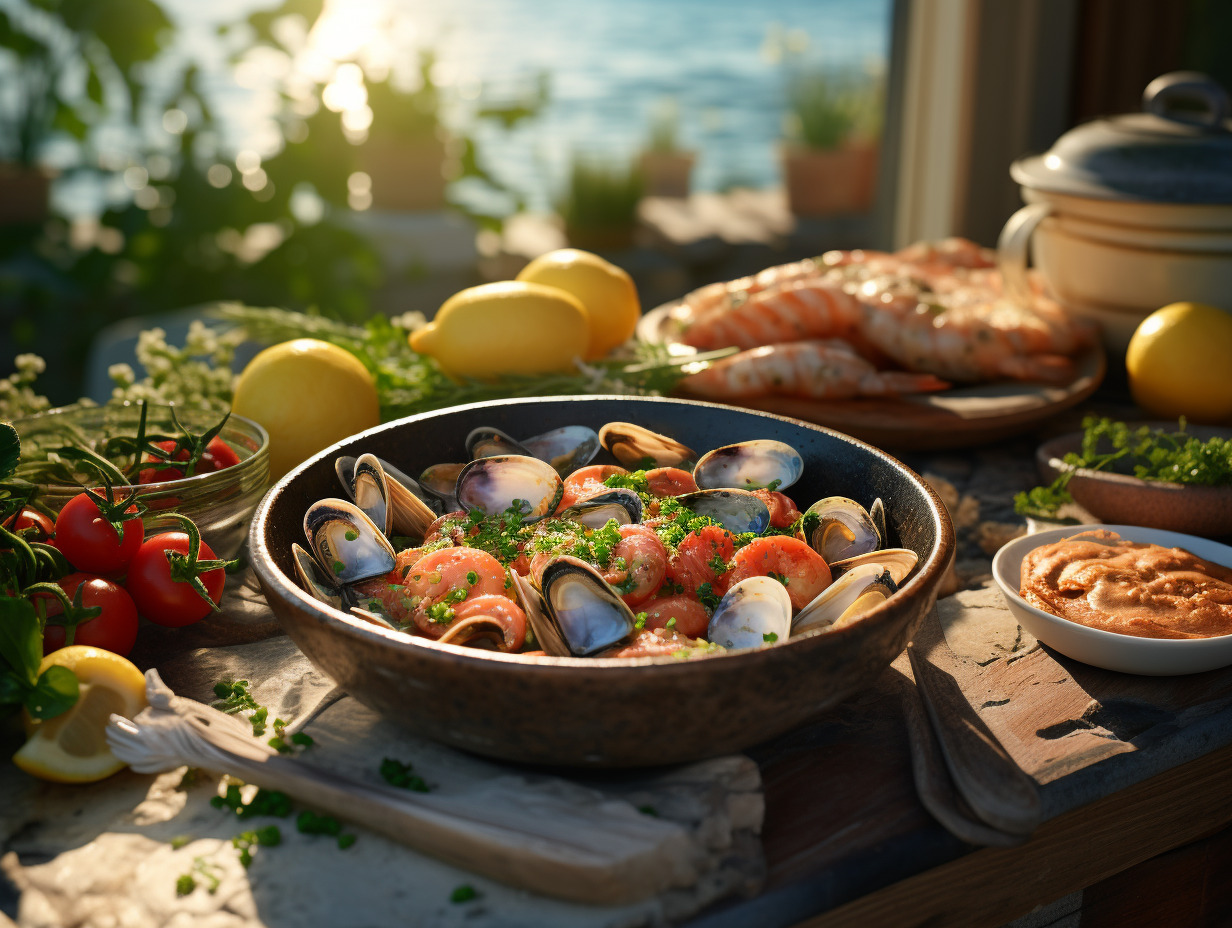
When it comes to cooking, precision is key. Shellfish and crustaceans require short cooking times to maintain their tenderness and delicate flavor. Mussels, for example, only need a few minutes until they open. Overcooking shellfish makes them rubbery, a common mistake made by enthusiasts.
As for storage, be vigilant. Frozen seafood can be kept for up to six months in a freezer, but once thawed, their lifespan is limited to a few days in the refrigerator. Packaging also plays a fundamental role: ensure they are hermetically sealed to avoid cross-contamination and moisture loss.
Incorporate these marine products into your recipes with discernment. Seafood adds a rich flavor to dishes, but their subtlety can easily be masked by overly strong seasonings or inadequate accompaniments. The advice of experienced chefs and fishmongers is invaluable for respecting the balance of flavors and highlighting the freshness of the products.