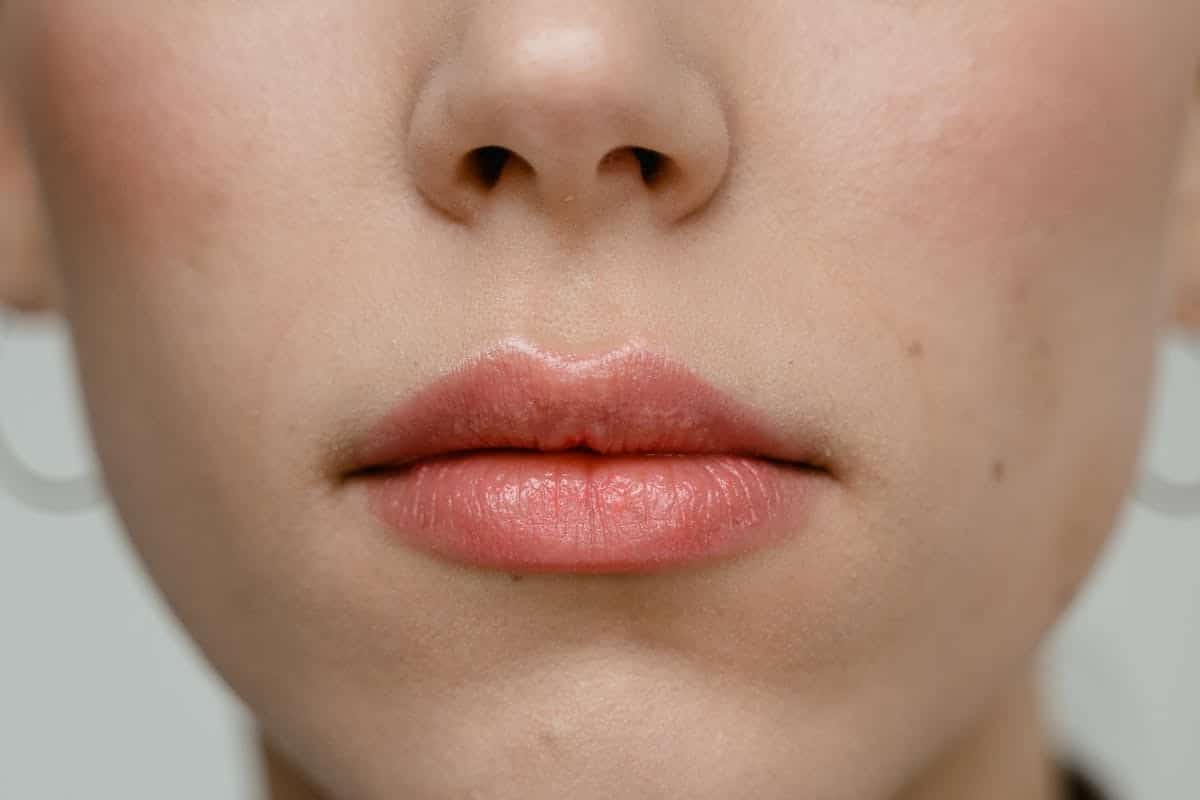
At the heart of our expression and communication, the lips are a focal point of our face and an indicator of our health. They can sometimes lose their natural rosy color and become discolored, turning pale, brown, or even black. These changes can be due to a variety of factors, such as dehydration, smoking, excessive alcohol consumption, certain diseases, or the use of low-quality cosmetic products. Whatever the cause, lip discoloration can be a source of aesthetic concern and a decrease in self-esteem. Fortunately, there are a multitude of effective treatments available.
Discolored Lips: Understanding Their Origin and Causes
Origin and causes of discolored lips: A direct link to skin problems
Dermatological specialists often face a complex variety of skin disorders, among which are skin problems and discolored lips. Tracing back to the source of a condition is fundamental to understanding its treatment.
It is essential to understand that unusual lip coloration can be a visible manifestation of an internal imbalance. The human body functions as a sophisticated system of biochemical interactions; any dysfunction therefore reverberates throughout different parts of the body, including our lips.
Among these internal disturbances that can cause lip discoloration, we certainly note thyroid or kidney disorders as well as certain deficiencies in essential vitamins for our body such as vitamin B12 or E.
Regarding specifically skin problems and discolored lips, several external factors play a major role. Prolonged sun exposure without appropriate protection can lead to hyperpigmentation (increased dark pigment) or hypopigmentation (decreased pigment) of the lip tissues.
Harmful daily habits such as smoking exacerbate this chromatic change due to the constant irritation caused by the toxic smoke from consumed cigarettes.
Furthermore, frequent use of cosmetic products containing harsh chemical components can also lead to undesirable discoloration. The lips are particularly sensitive to irritations and react quickly to various external stimuli, including those from certain lipsticks or lip balms that are poorly suited.
Additionally, the natural aging process also affects our smiles: the decreasing production of collagen over time leads to thinning of the lip tissues and often a gradual loss of their original hue.
Identifying these different origins not only allows for the identification of preventive measures to avoid the frequent occurrence of skin problems and discolored lips but also ensures the maintenance of optimal oral health.

The Different Types of Lip Discoloration Explained
The different types of lip discoloration: A palette of shades to understand
Lip discoloration can manifest in different chromatic forms, each with its own distinctive characteristics. Consider the lips carefully. In this scenario, only a part of the lips shows a color change while the rest retains its normal hue. This situation may be a sign of an underlying skin condition such as vitiligo or other autoimmune disorders.
Understanding these different types of lip discoloration allows for effective guidance towards the appropriate treatment for each individual affected by this aesthetic issue. It is therefore crucial to consult a competent professional to establish a precise and personalized diagnosis before any therapeutic intervention.
Discolored Lips: Aesthetic and Psychological Consequences
The aesthetic consequences of lip discoloration can be significant. First and foremost, it can lead to an alteration of the overall appearance of the face. The lips being a central element of the smile and facial expression, their discoloration can give an impression of poor health or neglect.
Affected individuals may experience feelings of embarrassment or discomfort related to this aesthetic condition. Some may even avoid social interactions for fear of others’ judgment or feel insecure about their appearance. This can have negative repercussions on daily life and overall quality of life.
On a psychological level, the consequences can also be significant. A person living with discolored lips may develop low self-esteem and a loss of self-confidence. This situation can generate stress, anxiety, and even lead to depression in some individuals who feel deeply affected by this issue.
It is therefore essential to pay particular attention to the emotional impacts that this often underestimated skin condition can generate. Professional intervention to treat discolored lips should not only focus on physical treatment but also consider the psychological well-being of patients.
Understanding these consequences both aesthetically and psychologically enables medical professionals specialized in this field to offer comprehensive support and a holistic approach to the treatment of discolored lips. The combination of effective aesthetic treatments and psychological support can help patients regain their self-confidence and improve their quality of life.
It is important to be aware of the aesthetic and psychological consequences that lip discoloration can entail. This not only helps educate the public about this little-known issue but also promotes comprehensive therapeutic solutions that take into account the overall well-being of the individuals concerned.
Restoring Colored Lips: Natural Treatment Methods
When it comes to treating discolored lips, there is a wide range of natural methods that can help improve their appearance and restore their original color. These natural remedies are often preferable to the harsh chemical products used in some conventional treatments.
The first natural treatment method for discolored lips is the use of moisturizing ingredients. Lips tend to dry out easily, which can contribute to their discoloration. By regularly applying nourishing balms or butters containing shea butter, vitamin E, or sweet almond oil, you can help your lips achieve optimal hydration.
Medical and Cosmetic Solutions for Pigmenting the Lips
If natural treatments do not yield the expected results, there are also medical and cosmetic options to restore lip pigmentation.
One of these treatments is the use of topical products containing ingredients specifically formulated to stimulate melanin production. Melanin is the pigment responsible for the color of the skin and hair. By regularly applying these products to the lips, one can hope for gradual and natural repigmentation.
Another popular method involves resorting to micropigmentation or semi-permanent lip tattooing. This technique involves the meticulous injection of pigment into the upper layer of the skin to achieve a uniform and lasting color. Care should be taken when choosing the professional who will perform this procedure to avoid any undesirable or disproportionate results.
For those who prefer to avoid any invasive intervention, there are also tinted lipsticks, specially designed to mask discolorations and give the lips a more even appearance. These lipsticks are often enriched with moisturizing and nourishing agents, thus offering a dual function: correcting irregularities while protecting and caring for your lips on a daily basis.
In some extreme cases where discolorations are deeply rooted, one might consider a surgical intervention called skin grafting. This procedure involves taking a thin layer of pigmented skin from another part of the body to transplant onto the lips. Although this option is more invasive and requires a longer recovery time, it can offer lasting and satisfactory results.
There are several medical and cosmetic treatments available to restore pigmented lips. From natural remedies to specialized medical interventions, each of these options has its own respective advantages and disadvantages. Be sure to consult a qualified professional who can assess your specific situation and guide you towards the treatment best suited to your individual needs.
Prevention and Maintenance: Tips for Healthy and Colorful Lips
Now that we have explored the different options for treating discolored lips, consider maintaining healthy and colorful lips in the long term.
It is essential to protect your lips from environmental aggressions. Excessive sun exposure can not only burn your lips but also lead to gradual discoloration. Therefore, make sure to regularly apply a lip balm with a high sun protection factor, especially during sunny periods or when engaging in outdoor activities.
Be sure to keep your lips well-hydrated. Daily use of a balm or moisturizer specifically designed for the lips can help prevent dryness and dehydration. Opt for products rich in natural ingredients like shea butter or sweet almond oil that intensely nourish and preserve the suppleness and health of your lips.