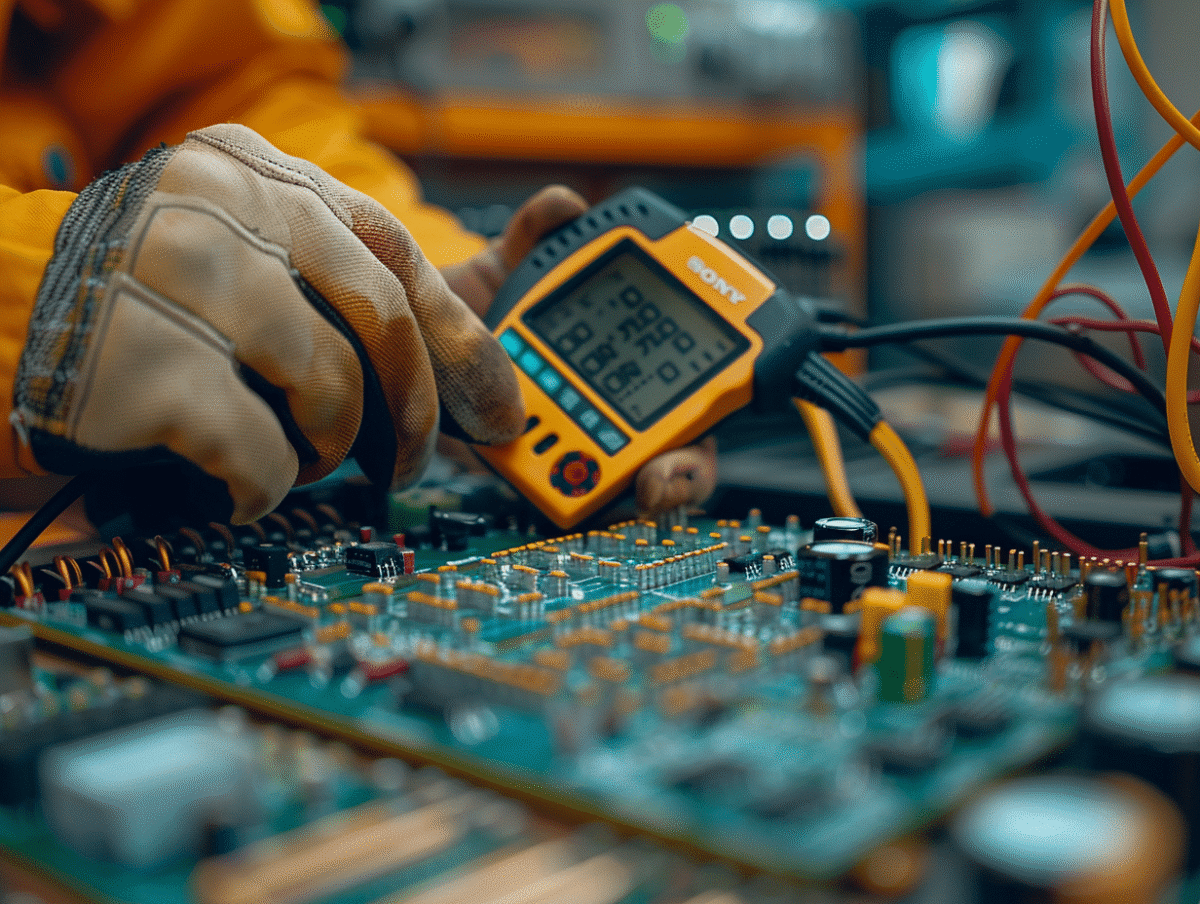
Using a multimeter may seem intimidating for electronics novices. This instrument, essential for diagnosing electrical issues, measures voltage, current, and resistance. Before using it, it is imperative to understand how it works to avoid accidents. Selecting the right range and function is the first step to ensure accurate and safe measurements. Following safety guidelines, such as turning off the circuit power before measuring resistance, is essential. One should never neglect the condition of the wires and probes to ensure safe usage.
Operating Principles and Safety Precautions for Using a Multimeter
The multimeter, whether digital or analog, is an indispensable tool for measuring electrical current, voltage, and resistance. These devices, although equipped with advanced functions, require careful handling to prevent any malfunction of the device or even an accident. Before taking any measurements, ensure that the device is in good condition and that you have selected the correct settings for the type of measurement intended. Digital multimeters, due to their accuracy, often automatically adjust the measurements, but this does not exempt one from being vigilant.
Adhering to safety standards is crucial when working with electrical devices. Always use a multimeter in accordance with the manufacturer’s guidelines and do not attempt to measure voltages or currents beyond the specified limits for your device. Regarding the question of how to find the neutral with a multimeter, it is necessary to have solid knowledge of electricity and to strictly follow the procedure to avoid any risk of electric shock.
When using a multimeter to diagnose electrical problems in a system or circuit, preparation is indeed fundamental for safety. Detecting residual voltage before starting or ensuring that the circuit is powered off are steps not to be overlooked. In case of doubt, consulting a professional is a wise decision.
Reading and understanding measurement results are essential. A misinterpretation can lead to unfortunate consequences for both the tested device and the user. Modern multimeters offer additional features that can assist in understanding measurements, such as backlit screens for better visibility or audible continuity beeps. However, these features do not replace the skill required to correctly interpret the data provided by the device.
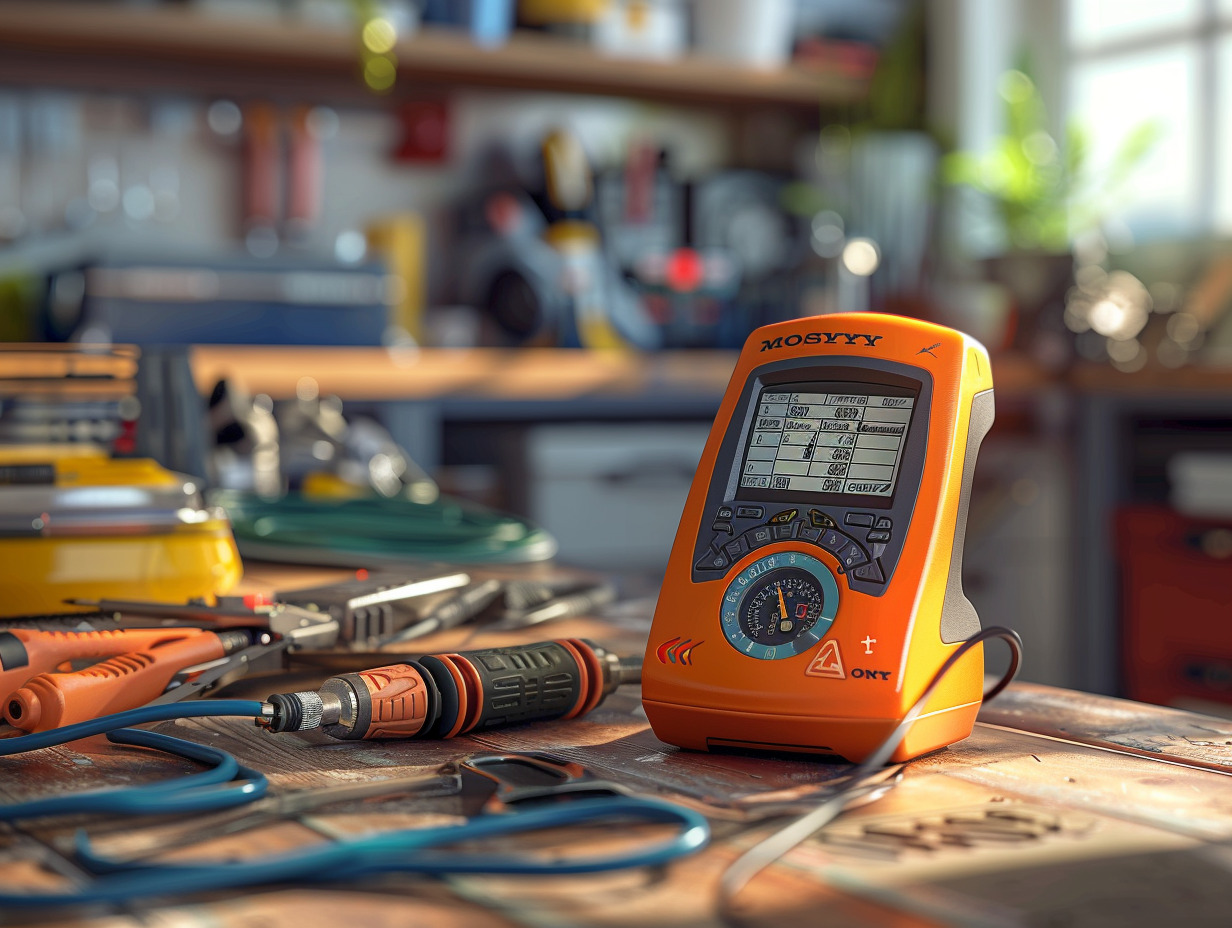
Detailed Procedure for Accurate Measurements with a Multimeter
To carry out electrical measurements rigorously, selecting the appropriate range on your multimeter is a decisive step. Depending on the quantity to be measured—voltage (V), current (A), or resistance (Ω)—it is imperative to set the device to the range closest to the expected value. This minimizes the risk of error and optimizes measurement accuracy. The measurement ranges offered vary depending on the model and manufacturer of the multimeter, so consult the manual for proper adjustment.
The correct connection of the probes is another pillar for infallible measurements. The red probe, or red lead, should be inserted into the socket corresponding to the quantity to be measured. Generally, for voltage and resistance, it goes into the socket marked ‘VΩmA’, while for high current, a separate socket, often marked ’10A’, is provided. Be careful not to reverse the probes, as this could cause measurement errors or damage your multimeter.
Reading and interpreting results require attention and knowledge. After taking the measurement, you must know how to decipher the displayed data. Advanced multimeters, such as Fluke models, offer additional features like frequency measurement, capacitance, diode testing, and audible continuity, which can enrich the analysis. However, the ability to understand these results remains the user’s responsibility, who must exercise discernment to accurately diagnose electrical problems.